
English| EUR
Suggested for you
More currencies
Choose a language
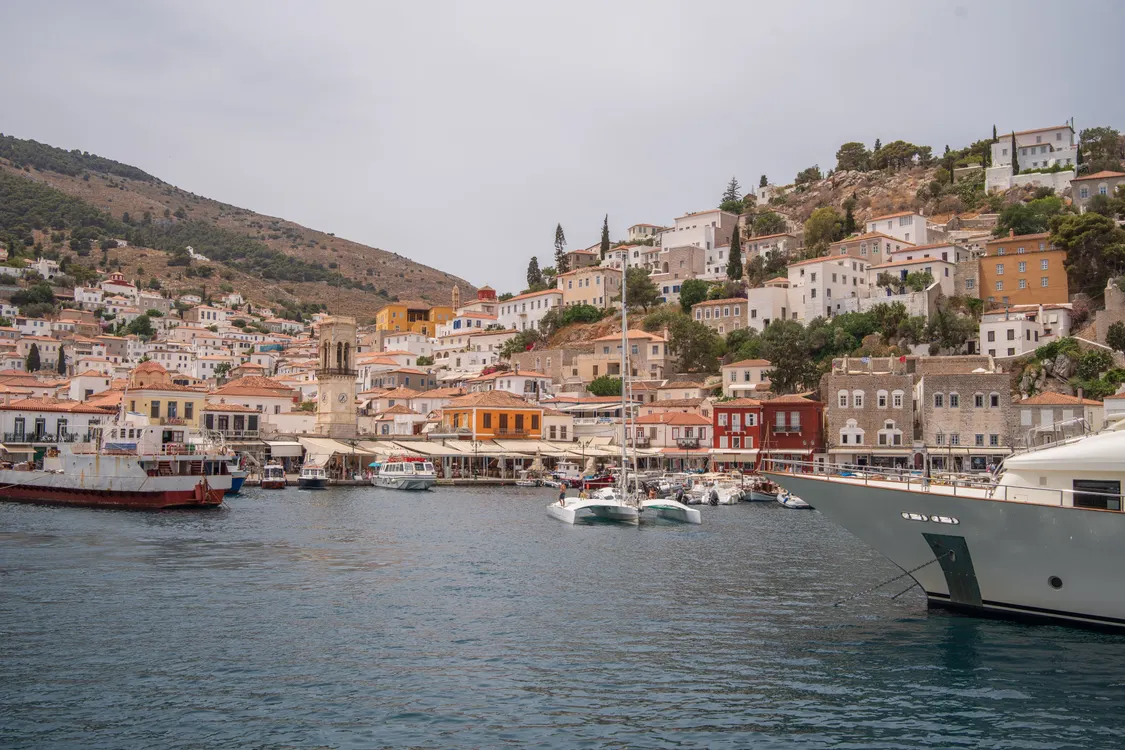
Hydra sits two hours across the Saronic Gulf, reachable only by boat and famously free of vehicles. The island charges no entrance fee, but getting there, moving around, and spending a day involve costs that vary widely depending on ferry choice, season, and how you plan your time. This guide maps the athens to hydra day trip price from dock to dock.
Quick answer
A day trip from Athens to Hydra typically costs between €55 and €120 per person, depending on ferry type and season. Standard ferry tickets run €30–€35 round-trip, while high-speed catamarans cost €55–€70. The island itself has free entry, but budget an additional €25–€50 for meals, water taxis, and incidentals once you arrive.
Hydra operates without a single car, scooter, or bicycle—every visitor arrives by sea and moves on foot, by donkey, or aboard one of the island's water taxis that shuttle between coves. That constraint shapes the athens to hydra day trip price in ways that differ sharply from mainland excursions: no parking fees, no fuel surcharges, but also no budget bus to fall back on once you step off the ferry. The largest variable in any Hydra budget is the ferry itself. Conventional car ferries departing Piraeus take two and a half to three hours each way and charge the lowest fares, while high-speed hydrofoils and catamarans cut the crossing to ninety minutes but double the ticket cost. Peak summer and weekend departures command premium rates, and last-minute bookings during July and August often sell out entirely, forcing travelers onto pricier express services or private water taxis that start near €200 for a direct transfer. Advance purchase in the shoulder months—April, May, September, October—yields the steepest discounts and the widest choice of departure times. Once ashore, Hydra's compact port and clifftop streets concentrate most restaurants, cafés, and shops within a fifteen-minute walk, meaning transport costs inside the island stay minimal unless you hire a water taxi to reach Vlychos, Kamini, or the southern beaches. A typical day budget includes a sit-down lunch (€15–€25), bottled water and a coffee (€5–€8), and one optional water-taxi hop (€10–€15 per person, shared). The island's museums and historical mansions charge modest admission—€3–€5 each—but many visitors skip ticketed sites entirely in favor of the harbor promenade and hilltop trails, both of which carry no fee. Because ferries from Athens to Hydra run on published schedules rather than continuous loops, day-trippers must choose a return departure before they arrive. Missing the last boat means an unplanned overnight, and August availability on return legs tightens after 18:00. The best arrival window falls between 08:00 and 10:00, giving six to eight hours ashore before the final sailings pull out. Travelers weighing the cost of a guided tour against independent travel should note that package day trips bundle the ferry, a harbor walk, and occasionally lunch, but rarely allow time for swimming or exploration beyond the main port—a tradeoff that shifts the value proposition depending on how you intend to spend those hours on the island.
“Hydra operates without a single car, scooter, or bicycle—every visitor arrives by sea and moves on foot, by donkey, or aboard one of the island's water taxis.”
Hydra is located in the Saronic Gulf and is accessible exclusively via high-speed ferry from the port of Piraeus in Athens. Booking your ferry tickets in advance is recommended to ensure your preferred departure time, as these vessels are the primary method of transit to the island.
Line 1 (Green Line) from central Athens to Piraeus Station
High-speed ferry from Piraeus Port (E1/E8 gates) to Hydra Port
Walk from Piraeus Metro Station to ferry departure pier
Arrive at Piraeus port at least 45 minutes before your scheduled departure. The best arrival window is 08:00–10:00 to maximize your time on the island and avoid mid-day port congestion.
The best arrival window for a day trip to Hydra is 08:00–10:00. Arriving during this period allows you to maximize your time on the island and avoid mid-day port congestion.
—
Early arrivals provide the most quiet experience for walking and exploring before the midday influx.
Pleasant, 22°C to 26°C
These months offer comfortable temperatures for walking without the peak heat or heavy crowds of mid-summer.
Hot, 28°C to 33°C
Expect busier narrow streets and port areas during the peak summer months.
Cooler, 16°C to 20°C
These shoulder season months provide quiet streets and manageable weather for exploring the island on foot.
Verdict: The optimal time for a day trip is Tuesday to Thursday, arriving between 08:00 and 10:00, during the months of April, May, September, or October.
This itinerary suits visitors with roughly six hours on the island between ferry arrival and departure. It prioritizes the port town's core sights and accessible coastal paths without requiring motorized transport.
Disembark and orient yourself along the harbor crescent. Allow fifteen minutes to locate water fountains and confirm your return ferry dock.
Walk the marble-paved quays past shipowner mansions and the clock tower. Thirty minutes covers the main harbor arc and its café-lined alleys.
Ascend the cobbled mule path through pine forest to the hilltop monastery. The round trip takes two to three hours depending on pace and photo stops.
Return to the harbor for a seated meal at a taverna near the fish market. Budget an hour for service and a rest before the afternoon leg.
Follow the western coastal path to small pebble coves fifteen minutes from the port. Bring a towel; facilities are minimal.
Walk the stepped lanes behind the harbor to find jewelers, painters, and ceramic studios. Many close by 18:00, so visit before the late afternoon lull.
Secure a harbor-view table for coffee or a cold drink while you wait for boarding. Ferries typically depart between 17:30 and 19:00.
Hydra is accessible to visitors daily, maintaining consistent operating hours throughout the week.
Everything you need to know about athens to hydra day trip price
The athens to hydra day trip price primarily consists of your round-trip hydrofoil or ferry fare, as there is no admission fee to the island itself. Prices fluctuate based on the specific ferry operator and the time of year you choose to travel. You should factor in your own budget for meals and local activities once you arrive. Entry to the island of Hydra is free, though a valid ferry ticket is required for your arrival. You do not need to pay any additional fees to walk through the port or explore the town. Planning an athens to hydra day trip price requires attention to seasonal demand, as ticket costs often increase during the busy summer months. Booking your travel dates well in advance can help you secure standard pricing and avoid premium last-minute rates. Aside from the ferry transit, there are no mandatory entrance fees for the island. Travelers may encounter costs for donkey rentals, local water taxis, or museum admissions, which are separate from your transport costs. You can manage your athens to hydra day trip price by booking tickets directly through ferry operator platforms. Most systems allow you to select your preferred sailing times and dates to compare available options effectively. Arriving between 08:00 and 10:00 is recommended to maximize your time on the island and avoid port congestion. This early window helps ensure a smoother start to your day trip in the Saronic Gulf. While the main island is free to enter, visitors may choose to spend on guided walking tours or boat rentals. These optional activities are not part of your base travel expenses and depend on your personal itinerary. Ferry operators typically offer tiered pricing for children or senior citizens, which can influence your total athens to hydra day trip price. It is advisable to check the specific operator policies during the booking process to confirm eligibility for any available discounts.